
Plumbing in Santa Monica's Older Homes and Apartments: Shared Walls, Salt Air, and Aging Pipes
Los Angeles Plumbing Pros Blog — 16 Nov 2026
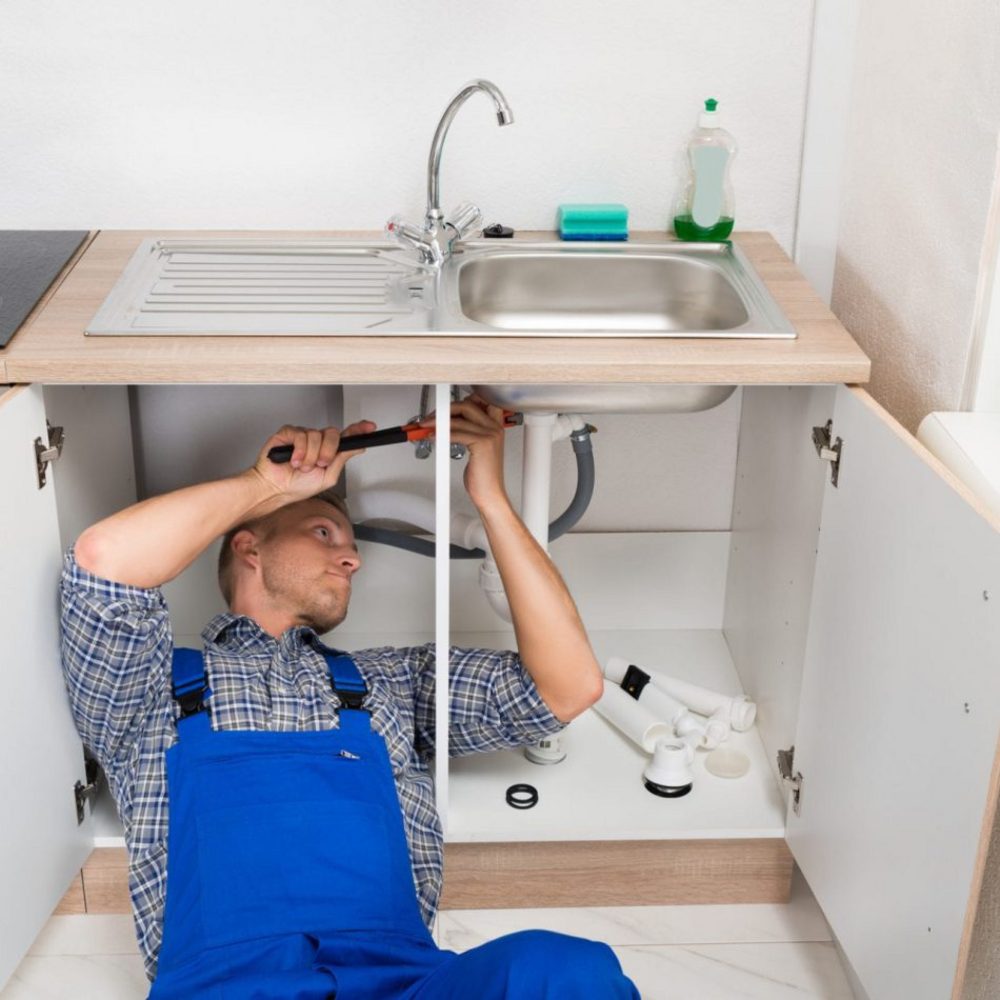
Santa Monica is a beach city, and its plumbing shows it in ways that surprise even careful owners. Beach-adjacent flats, older apartment buildings, small bungalows, and remodelled homes sit within a few blocks of each other, each carrying a different plumbing history. A home that looks freshly updated from the street can still run water through supply lines installed generations ago, drain through narrowing cast iron, and share a wall — and sometimes a pipe — with the neighbour next door.
This post explains what actually fails first in Santa Monica's older homes and apartments, how to tell a cosmetic problem from a system problem, and what to fix first when everything cannot be fixed at once.
Why Santa Monica's older homes and apartments fail differently
Age alone does not decide how a plumbing system behaves. What matters is which materials were used in each era, how many times the building has been altered, and whether each alteration connected new work to old work sensibly. A Santa Monica bungalow built before the Second World War may have had its kitchen moved, a bathroom added, and a laundry relocated. An apartment building from the same era may have been remodelled unit by unit, so the top floor runs on new copper and the ground floor on the original galvanized steel.
Santa Monica adds its own pressures. Salt-laden coastal air works on exposed metal year-round, the streets are flat and coastal so drainage depends on the pipe rather than a slope, and hard water leaves scale inside heaters and fixtures. In the city's many older apartment buildings, plumbing is shared-wall plumbing: a leak in one unit can damage the unit beside it or below it. In a typical older Santa Monica building, two or three of these factors work on the same pipe at once.
Shared-wall plumbing: when a leak is your neighbour's problem too
The single biggest difference between a Santa Monica apartment and a detached house is that the plumbing is rarely yours alone. Supply lines and drains often run through shared walls, and a leak on one side shows up as a damp patch, a stain, or a musty smell on the other side. A small leak can damage shared walls and floors quickly, because nobody sees the pipe itself — only the damage it leaves behind in two homes at once.
The first question with any apartment leak is therefore whether it is shared or unit-only. A stain on a bathroom ceiling below another unit's bathroom points upward, not at your own fixtures. A damp patch on a shared wall, with no fixture on your side, points sideways. Getting this wrong is expensive: replacing your own faucet will not stop a leak coming through the wall from the next unit, and a fixture fix alone will not hold on a failed supply line behind shared plaster.
For apartment owners, the habit is to look early and report early: note where the dampness is, which fixtures sit above or beside it, and whether it changes when a neighbour runs water. That is what a technician needs first, before any wall is opened.
Galvanized supplies and cast-iron drains in older buildings
Galvanized steel was the standard supply material for much of the mid-twentieth century, and many Santa Monica buildings from the 1940s through the 1960s still carry some of it. The pipe was coated with zinc when new, but over decades the zinc wears away and the steel underneath corrodes from the inside. The corrosion rarely bursts the pipe first. It narrows it, layer by layer, until a line that once delivered a strong shower delivers a thin stream, especially when a second tap opens.
The signs are easy to misread. Low pressure at a single fixture often points to that fixture, but low pressure across several fixtures — or several units fed by the same riser — points to the supply system. Rust-coloured water after the building has sat unused, or after work on the street main, is another warning, showing loose corrosion inside the line. A single clogged aerator is a fixture problem; the same grit in several rooms is a pipe problem.
Cast-iron drains fail the other way: by roughening and narrowing on the inside, so waste moves more slowly and grease, paper, and scale catch on the rough surface. The first sign is usually a drain that clears with a plunger or a cable and then slows again within weeks, or several drains that gurgle when a toilet flushes. A drain that needs clearing again and again is not being stubborn. It is telling you that the inside of the pipe, not just the blockage, has changed.
Remodels: new fixtures on old supplies
Santa Monica holds a large number of remodelled homes, and they carry a specific trap: a beautiful new bathroom or kitchen sitting on top of the original supply and drain. New fixtures on old supplies look finished and perform badly, because a modern faucet cannot push more water through a narrowed galvanized line than the pipe allows, and a new toilet cannot drain well through a cast-iron line narrowed to half its original opening.
The warning signs after a remodel are consistent: a new shower with weak flow, a new kitchen faucet that loses pressure when the washing machine runs, a new toilet that needs two flushes, or a new bathroom drain that slows within months. Each is usually read as a problem with the new fixture, when the cause sits behind the wall in the pipe the remodel left untouched.
The practical rule is to check the pipe before choosing the finishes. A pressure and flow check, a look at the visible supply material, and a camera check of the drain line cost little compared with a remodel, and they decide whether the old pipe can serve the new bathroom or should be replaced while the walls are already open — the cheapest time to replace the pipe behind new cabinets.
Salt air, hard water, and scale near the coast
The most visible difference between a coastal home and an inland one is what salt air does to metal outside or in unsealed spaces. Hose bibbs, outdoor shower fittings, exposed supply runs in a garage or carport, water heater connections, and vent terminations all live in air that carries salt, and corrode faster than the same fittings would a few miles inland. Chrome pits, brass greens, steel rusts, and a sound connection can start to weep at a joint.
Hard water adds a second, quieter problem. It leaves scale inside tanks and tankless heat exchangers, so a heater works harder for the same hot water and can start to rumble, run longer, or lose capacity. Fixtures scale faster too, and a heater on an old galvanized supply will look worse than it is, because restricted flow can mimic a failing heater. Salt air does not change pipe material, but hard water and older shared lines still drive scale and corrosion, and in Santa Monica the two arrive together.
What helps is a habit: look at the exposed metal once a year. Green or white crust on copper, rust on a steel fitting, or a stiff hose bibb are early warnings that the fittings taking the worst of the coastal air should be checked before a slow weep becomes a leak inside a wall — or, in an apartment, inside a shared wall.
Drains, laterals, and mature street trees
Outside the building, the lateral to the street sewer is often clay in older Santa Monica properties, laid in short sections with joints that shift as soil moves and roots press in. With flat coastal streets and mature street trees, a root can enter a hairline joint, grow into a mat, and catch everything that passes. Hydro jetting can clear that mat, and a sewer camera inspection can show whether the pipe is still sound, whether a section is offset or bellied, and whether a spot repair, lining, or replacement is the right next step.
The first sign is usually a drain that clears and then slows again, or several drains that gurgle when a toilet flushes. In apartment buildings the lowest unit feels it first. In a bungalow it may show as a floor drain that backs up only during heavy use, or a shower that drains a little more slowly each month. Because the blockage grows gradually, a homeowner may clear a slow drain and assume the problem is solved, when only the top of the root mass has been disturbed — and the next heavy use, or the next winter rain, can turn a slow drain into a full backup.
A camera inspection after clearing turns a repeat blockage into a diagnosis, and decides whether the right spend is periodic root cutting, a spot repair at one failed joint, or a fuller replacement — sometimes trenchless, which avoids digging up a driveway or a mature tree.
Water heaters in apartments and bungalows
Water heaters in older Santa Monica buildings fail for a mix of local reasons. Hard water leaves scale inside tanks and tankless heat exchangers, so a heater works harder for the same hot water. In an apartment building, one heater may serve several units, so a scale problem shows up as weak hot water in more than one home at once, and heater straps, venting, and relief discharge should be checked in a region where earthquakes are a real planning factor.
Before replacing a heater, separate three questions: is the heater itself failing, is the water feeding it hard and scaled, and is the pipe delivering water narrowed? A flush or descaling answers the second question, and a flow check answers the third. Only then can a repair-versus-replacement decision be made honestly. A young heater with cleanable scale is a different case from a leaking tank, and neither should be decided by age alone. Check seismic straps whenever a heater is serviced or replaced.
Slab and raised foundations on the beach-adjacent flats
Santa Monica's beach-adjacent flats hold both kinds of construction, and a leak behaves differently in each. Many mid-century homes sit on a concrete slab, where a supply leak announces itself quietly: a warm patch of floor, a damp spot that never dries, a water bill that climbs without any visible puddle, or the sound of running water when nothing is on. Finding it takes detection work, because the pipe cannot be seen, and the repair choice is usually a spot repair, a reroute above the slab, or a repipe. Older bungalows on raised foundations behave the other way: a supply leak may show as damp soil in the crawlspace, a musty smell, or a soft spot in a floor, while a drain leak can go unnoticed longer. The advantage is access — a technician can often see and reach the pipe — and the disadvantage is that a slow leak can quietly damage framing and subflooring before anyone looks underneath.
Diagnosis steps: what a proper older-building check looks like
A useful older-building check follows an order. It starts with the complaint and the history: when the problem started, which rooms and units it affects, whether it changes with other fixtures running, and what has already been repaired. In an apartment, it also asks which side of each shared wall the fixtures sit on, and whether the neighbour has seen anything.
It then moves to simple measurements: static and running pressure, flow at several fixtures, and a hardness check if scale is suspected. Those numbers separate a fixture fault from a system fault faster than any guess. From there, the check goes to the pipe itself: a camera inspection of the lateral, a look at the crawlspace runs where the house is raised, and a check of visible supply material wherever it is exposed, including fittings salt air has been working on.
A written summary should name the materials found, the condition of each run, and the problems ranked by risk: active leaks and sewer backups first, then flow and water-quality problems, then efficiency — and in a shared building, which problems belong to one unit and which to the building.
What to fix first when everything cannot be fixed at once
Almost no older home or apartment needs everything at once, and a good plan says so plainly. First come problems that can cause damage or a health risk: an active leak, a sewer backup, a gas concern, or a water heater safety issue. In a shared-wall building, an active leak belongs at the top even when it looks small. Those should not wait for a remodel.
Second come whole-building problems: a narrowed main supply that leaves every shower weak, or a lateral that backs up every few months. Third come improvements: a softener, a filtration choice, or fixture upgrades in an otherwise sound bathroom. Phasing works when each phase leaves the building better and is not undone by the next — replacing a failed lateral before repiping a bathroom that drains into it is sensible, while repiping one bathroom and leaving a failing main supply in place is not, because the new bathroom will still starve for water.
In a coastal building, a weeping outdoor connection or a corroded heater fitting belongs in the first phase if it can leak. A phased plan should name each phase, what it fixes, and what it leaves for later, so the owner chooses a sequence rather than discovering it one emergency at a time.
What to check before calling Los Angeles Plumbing Pros
Before a visit, write down which fixtures are affected, whether the problem is pressure, drainage, discolouration, noise, or a visible leak, and when each symptom first appeared. Note the building's age, any remodel or addition, and any previous plumbing work. In an apartment, note which units are affected and whether the neighbour has seen dampness on their side of a shared wall.
Prevention and maintenance in an older Santa Monica building
Older plumbing rewards steady, small habits more than dramatic interventions. Keep grease, wipes, and heavy paper out of drains, because a rough cast-iron interior catches what a smooth new pipe would pass. Flush a tank heater or descale a tankless unit on the schedule its water hardness requires, rather than waiting for noise or lost capacity. Check under sinks and around toilets for slow drips, look at exposed fittings and hose bibbs for salt-air corrosion, and keep a simple record of pressure readings, camera findings, and repairs.
In a shared building, the record matters twice as much, because a technician arriving without it must rediscover which walls carry shared pipe.
Neighbourhood notes across Santa Monica
Santa Monica is not one housing stock, and a street-by-street view matters more than a city-wide label. Ocean Park holds older coastal homes and apartments close to the water, where salt air puts extra wear on exposed metal and outdoor fittings. Downtown Santa Monica mixes older apartment buildings with newer development, where shared-wall plumbing and older risers sit behind modern lobbies. Pico holds older apartments and bungalows, plus remodelled homes with new fixtures on old supplies.
Across all three, the flat coastal terrain means drainage depends on the pipe, and the common thread is the building's own history, read from its pipes, not its postcode.
Frequently asked questions
Why does a leak in my Santa Monica apartment damage my neighbour's unit too?
Older apartment buildings use shared-wall plumbing, so a leak on one side of a wall shows up as a damp patch, stain, or musty smell on the other side. Work out whether the leak is shared or unit-only before any fixture is replaced.
How do I know if my Santa Monica home still has galvanized pipes?
Look for grey, threaded steel pipe at an exposed run, such as in a garage or utility area, and watch for low flow at several fixtures, pressure that drops when another tap opens, and rust-coloured water after the building has sat unused.
Is a sewer camera inspection worth it for an older Santa Monica building?
Yes, whenever drains back up repeatedly, several drains are slow at once, or a lateral repair is being considered. A camera shows whether the problem is roots, a broken or offset section, a belly, or a pipe that has aged out.
Why does my drain keep blocking after it was just cleared?
Because clearing removes the blockage, not the cause. A rough cast-iron interior, a root mat at a clay joint, or a bellied section catches waste again within weeks. A camera inspection after clearing turns a repeat blockage into a diagnosis.
Does a water softener fix low pressure from old pipes?
No. A softener reduces new mineral scale and helps protect heaters and fixtures, but it does not reverse rust and narrowing inside galvanized pipe. If flow is poor across several rooms, the supply lines need their own assessment.
What should I do first if I find a leak in a shared wall?
Stop the water if you can do so safely, note where the dampness is and which fixtures sit above or beside it, tell the neighbour on the other side of the wall, and avoid using the affected fixtures until the leak is checked. A shared-wall leak can damage two homes at once, so prompt inspection matters more than a quick patch.
Related services
Whole-House Repiping in Los Angeles | Sewer Camera Inspection in Los Angeles | Sewer Line Repair in Los Angeles | Plumber in Santa Monica, CA
Call Los Angeles Plumbing Pros
If your Santa Monica home or apartment has low flow in several rooms, drains that keep slowing, discoloured water, or a corroded fitting that has started to weep, describe which rooms are affected, when the problem started, and what has already been tried. A technician will talk through the next step before any work starts.